
AI can draft a report, summarize a large set of documents, classify incoming requests, or pull key information from a messy record in seconds. That speed is useful. It is also where some organizations get into trouble.
A polished AI response can still contain a missing detail, an unsupported conclusion, or an interpretation that does not fit the situation. The problem becomes more serious when the output moves directly into a customer-facing, financial, legal, medical, or regulatory workflow. Once an incorrect result reaches the next stage, fixing it may take considerably more effort than catching the mistake earlier.
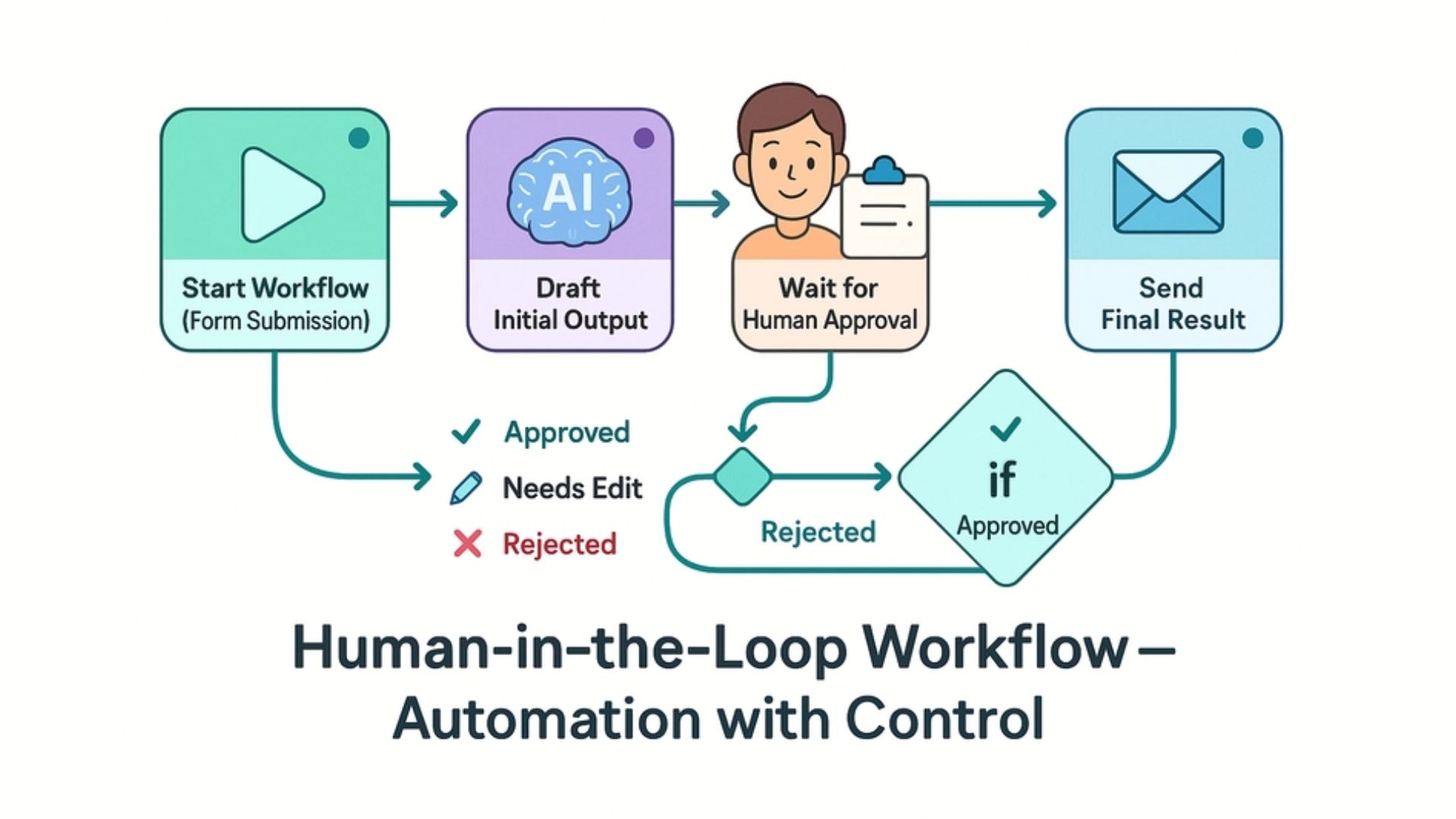
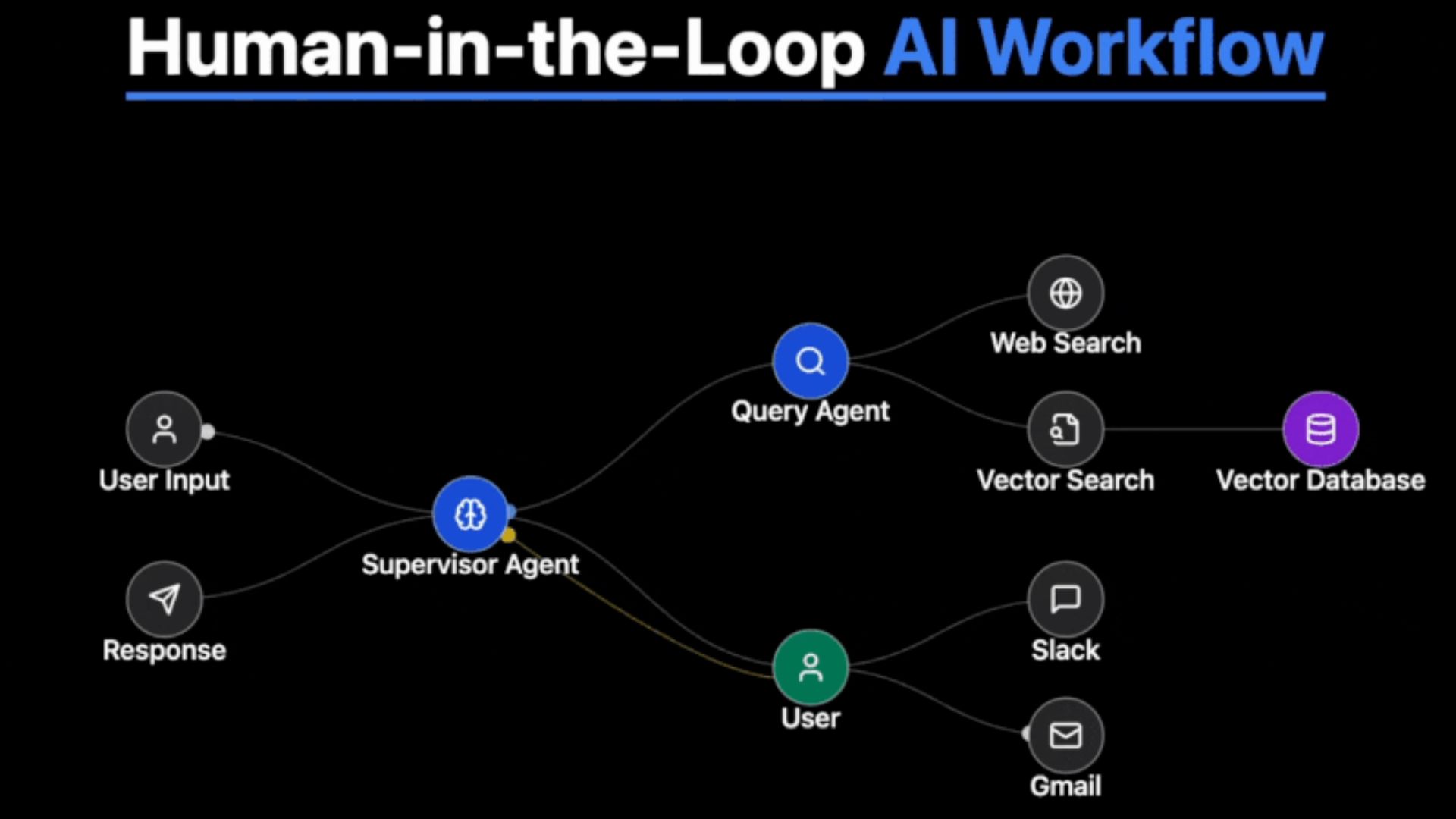
A human-in-the-loop workflow is designed around that reality. Instead of asking AI to operate independently or requiring an expert to check every line of every output, the workflow gives each side a defined role. AI handles tasks such as classification, extraction, summarization, and drafting. People step in where context, professional judgment, or accountability matters most.
The goal is not simply to put a human at the end of an AI pipeline. The better approach is to decide where human review adds the most value and what the reviewer actually needs to verify.
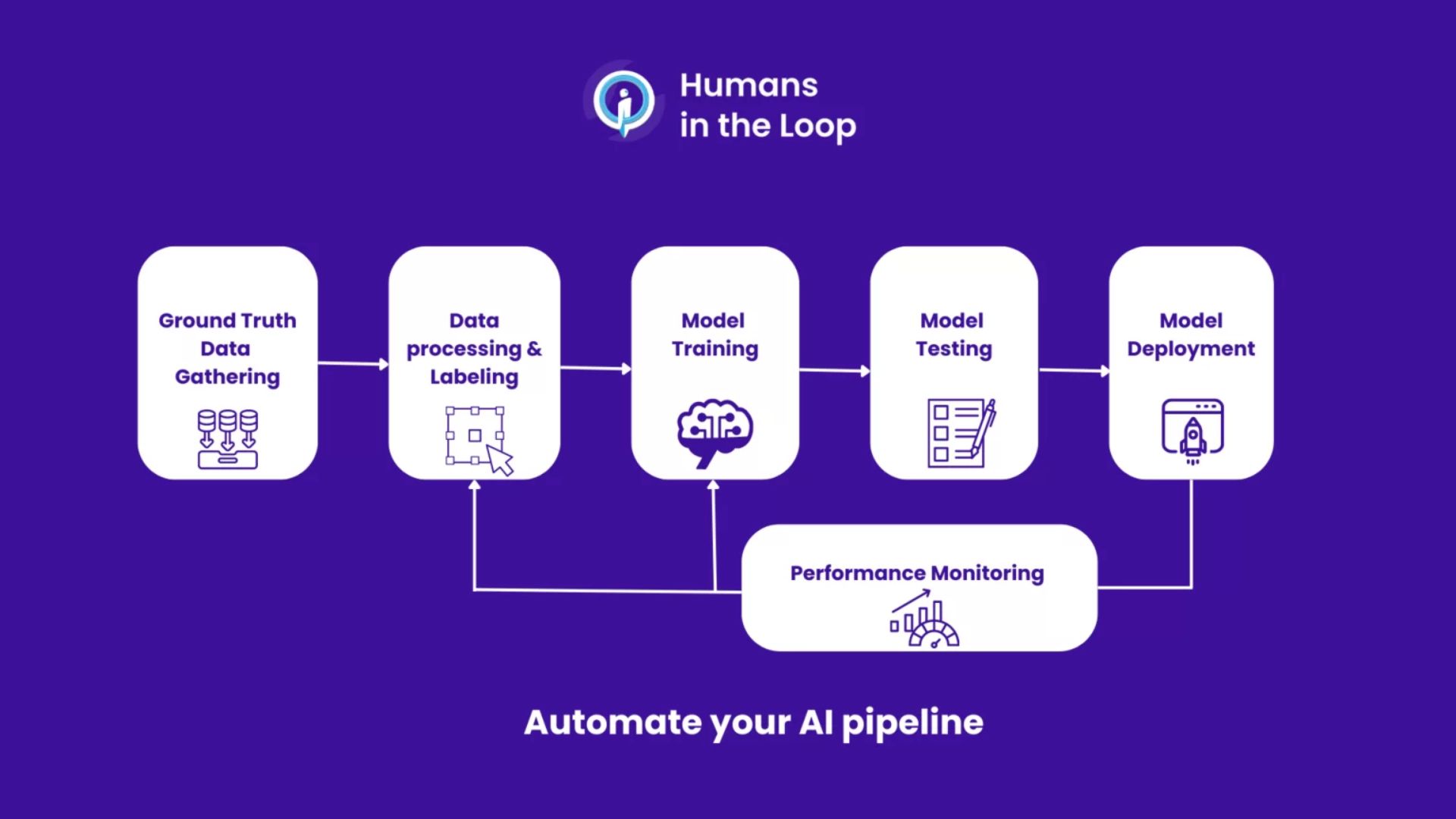
A useful workflow usually has several distinct stages.
The first is input and generation. The AI receives the relevant documents, records, instructions, or other data and produces a draft, classification, summary, or recommendation.
The second is automated checking. Before a person sees the result, software can look for predefined warning signs such as missing fields, inconsistent values, unsupported references, formatting problems, or other conditions that can be checked mechanically.
The third is human review. A subject-matter expert examines the output, resolves exceptions, makes corrections, and decides whether the result is suitable for the next stage.
The final stage is recording and feedback. The organization keeps an appropriate record of what the system produced, what the reviewer changed, and whether the workflow produced the expected result. Those records can later support testing, process improvement, or model evaluation.
This structure is more useful than treating AI and human work as two competing alternatives. The system takes care of repetitive preparation; the expert concentrates on decisions that require judgment.
One of the easiest mistakes to make is requiring an expert to approve every AI output in exactly the same way.
That sounds safe. It often is not.
If a reviewer has to inspect hundreds of nearly identical low-risk outputs, attention can fade. Eventually, the review process becomes little more than a series of approval clicks. A workflow that was supposed to provide meaningful oversight has turned into another form of automation.
A better design assigns different levels of review according to the consequences of an error.
Some tasks can tolerate relatively light review. Examples might include:
organizing internal notes
preparing a first draft of a routine summary
classifying non-sensitive requests
creating an initial outline
converting information into a standard internal format
Depending on the workflow, these outputs might receive spot checks or sample-based quality reviews rather than individual approval.
More careful review is appropriate when an incorrect result could have significant consequences.
Examples include:
financial reconciliation
contract language
regulatory documentation
medical records or decision-support material
customer communications involving sensitive information
approvals that create legal, financial, or operational commitments
The important point is not that AI can never be used in these areas. It is that the workflow should make the limits of automation explicit.
Three questions can help determine how much human involvement a workflow needs.
A wrong meeting summary is different from a wrong financial entry. The first may be corrected with a quick edit. The second may affect downstream records or require a more extensive investigation.
Reversibility matters.
If an incorrect classification can be changed before anyone acts on it, the workflow has a natural recovery point. If the output triggers an external communication, changes a record, or becomes part of a formal submission, the opportunity to correct it may be much smaller.
Some mistakes are easy to test for. A missing field, invalid date, duplicate identifier, or inconsistent number can often be caught with conventional validation rules.
Other errors are much harder to identify automatically. A contract clause can be grammatically perfect yet interpreted incorrectly. A summary can contain every expected section while leaving out the one detail that changes its meaning.
The less detectable and less reversible an error is, the more valuable expert review becomes.
AI systems can sometimes provide scores or other signals that appear to indicate confidence. These signals can be useful as part of a broader screening system, but they should not be treated as a guarantee that an answer is correct.
A better approach is to combine several checks.
For example, a document-processing workflow might verify whether:
required fields are present
extracted numbers match the source
referenced documents actually exist
dates follow expected rules
required sections are included
the output conflicts with known records
These checks do not replace expert judgment. They help the reviewer spend less time searching for obvious problems and more time examining the parts that genuinely require expertise.
The quality of human oversight depends partly on how the reviewer sees the AI output.
An interface that shows only a final answer and an “Approve” button creates a weak review process. The reviewer has little context and may accept the result simply because it looks plausible.
A stronger interface can show the AI output alongside the relevant source material, highlight fields that changed, identify missing information, and make it easy to reject or revise an answer.
For document review, that might mean displaying an extracted clause next to the original paragraph. For data processing, it could mean showing the source value beside the value entered into the system.
The principle is straightforward: make verification easier than blind approval.
Human reviewers can also introduce their own risks.
When an AI response is fluent and confidently written, it may look more authoritative than it deserves. A reviewer who assumes the system is usually correct may skim rather than verify.
This is commonly described as automation bias.
Several workflow choices can help reduce it.
Instead of asking an employee to “check the AI answer,” define what must be verified.
A reviewer might be asked:
Is every important claim supported by the source?
Are the key figures accurate?
Is any important context missing?
Does the recommendation follow the applicable business rule?
Does the output contain information that was not present in the source?
Specific questions encourage active checking.
Organizations can periodically include known errors in controlled testing samples and measure whether reviewers identify them.
The purpose is not to trick employees. It is to find out whether the review procedure actually catches the kinds of mistakes it was designed to catch.
If reviewers consistently miss the same type of error, the workflow may need a better interface, clearer instructions, or an additional automated check.
Continuous review of repetitive AI output is tiring. Breaks, reasonable workloads, and rotating responsibilities can help maintain attention.
The goal should never be to maximize the number of AI drafts an employee approves. A better measure is whether important errors are being identified before they cause downstream problems.
Human review only works when the reviewer is genuinely allowed to reject the machine output.
If employees are expected to approve almost everything to meet an efficiency target, the human-in-the-loop design becomes cosmetic. The organization may technically have human oversight while functionally relying on automated decisions.
Reviewers should be able to:
reject an output
request another generation
edit the result
escalate an unusual case
record why an output was rejected
stop the workflow when the available information is insufficient
This creates a meaningful division of responsibility. AI can prepare and organize information, while the qualified person decides whether the result is appropriate for the next step.
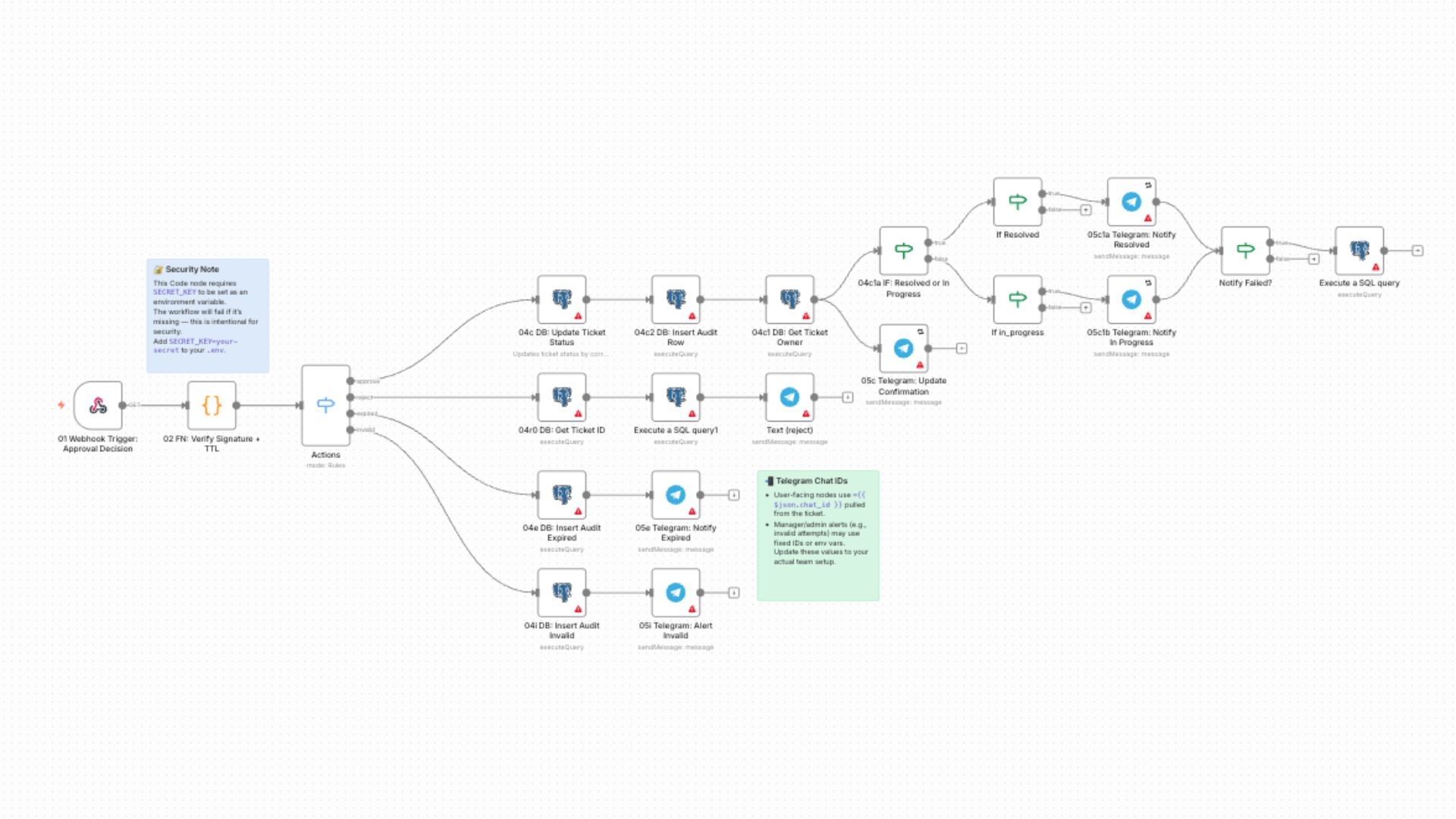
For sensitive or important workflows, organizations should be able to reconstruct what happened.
The exact information required will depend on the process, but useful records can include:
the source material used
the AI system or model version
the relevant workflow configuration
the generated output
material changes made by the reviewer
the final decision
the time of review
the identity or role of the approving reviewer
This does not mean every AI interaction needs to be preserved forever. Data retention should follow the organization's legal, security, privacy, and operational requirements.
The purpose of an audit trail is practical: when something goes wrong, the organization should be able to determine where the problem occurred and improve the process rather than simply blaming either the model or the employee.
Human corrections can provide useful information about where a workflow is failing.
Suppose reviewers repeatedly change the same type of extracted field. That may indicate a problem with the prompt, source data, validation rules, or the underlying process.
The solution is not necessarily to retrain the model immediately.
Sometimes a simpler fix works better:
improve the source document
add a validation rule
change the output format
clarify the instructions
add a missing reference source
route a particular exception directly to a specialist
This is an important part of workflow design. Not every AI error is a model problem. Some are process-design problems.
A human-in-the-loop system should have clear ownership.
Who reviews the output? Who can override it? Who handles exceptions? Who investigates repeated errors? Who decides whether the workflow is safe enough to expand?
These questions should be answered before the system becomes part of a production process.
The technology itself does not establish accountability. An organization still needs clear roles, approval rules, and escalation procedures, particularly when the workflow touches sensitive information or regulated activities.
The safest way to build a human-in-the-loop system is usually to start with a contained workflow.
Document the current steps, inputs, decisions, exceptions, and handoffs. This often reveals that the task contains several different types of work rather than one simple automation opportunity.
Measure the existing error rate, processing time, backlog, and amount of manual effort. Without this baseline, it is difficult to tell whether AI actually improved the process.
Identify the point where AI can do useful preparation but where an expert can still catch problems before they have meaningful consequences.
Specify what the AI can produce automatically, what requires review, and which cases must always be escalated.
Do not evaluate the workflow only on clean examples. Include incomplete documents, unusual requests, conflicting information, and other cases that employees regularly encounter.
A successful workflow should not simply produce outputs faster. Look at correction rates, missed errors, reviewer workload, and downstream effects as well.
Once the workflow performs consistently, adjacent processes can be evaluated. There is no need to assume that one successful AI workflow should lead automatically to organization-wide automation.
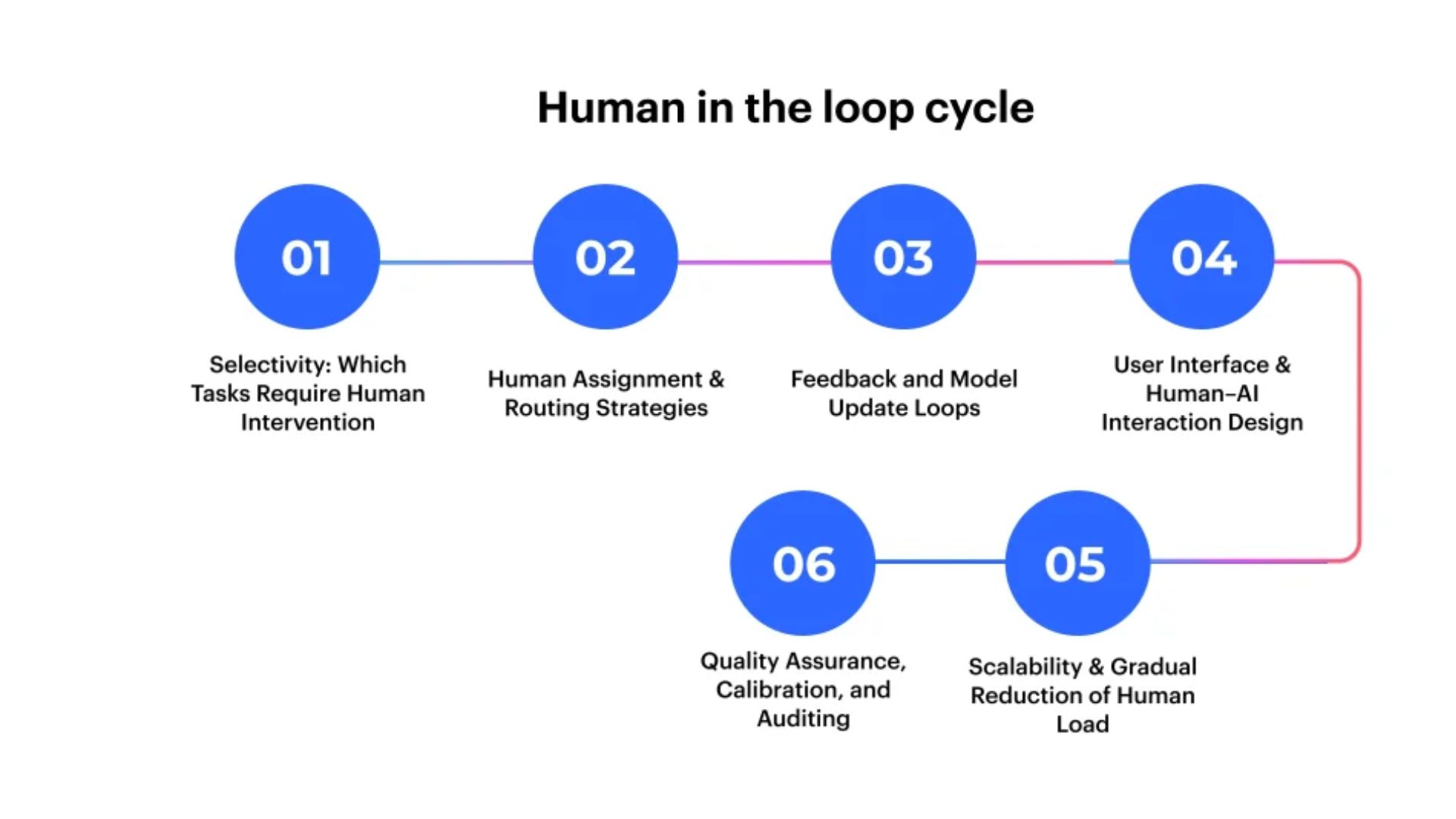
Human-in-the-loop design is sometimes described as a compromise between automation and manual work. That description misses the bigger point.
The objective is to give each part of the workflow the job it handles best.
AI is good at processing large amounts of information, producing drafts, finding patterns, and performing repetitive transformations. Experts are better positioned to evaluate context, recognize unusual situations, question questionable outputs, and take responsibility for consequential decisions.
The strongest workflows connect those strengths deliberately.
Human review should not be an afterthought added to an AI system for appearance's sake. It should be designed around the actual risks of the process: how serious an error would be, how easily it could be detected, how difficult it would be to reverse, and whether expert intervention can materially improve the result.
That is where human-in-the-loop AI becomes useful—not when people simply approve what machines produce, but when technology handles the repetitive work and human expertise remains an active part of the decision process.